S309
PRACTICE-BASED RESEARCH IN ARTS LEARNING
Exploring Youth Engagement in Arts Museums
As an educator passionate about creating meaningful experiences in informal learning spaces, I set out to explore the following:
How can young people’s sense of belonging in art museums grow through interactive EXHIBITS?
Research Methods
In setting out to answer my question, I decided to interview a variety of museum employees, conduct observations, and read related literature.
Interviews
OBSERVATIONS
LITERATURE REVIEW
Interviews
There were a few standout themes that emerged from my six interviews with Boston-area museum employees.
It really depends on how much the museum values education. - Institute of Contemporary Art Employee
When putting out exhibits, we consider everyone who is coming to the museum with their unique set of tools and plan many ways ‘in’. - Boston Children’s Museum Employee
PLAN the RIGHT MISSION AND STRATEGY.
There needs to be an increase in funding and staffing, it needs to be prioritzed from the bottom to the top. - Harvard Art Museums Employee
The education department is planning [After Dark] months ahead, having interdepartmental meetings and collecting resources. - MIT Museum Employee
HIRE the right staff for the job.
Museums need to become more open-minded and accept multiple experiences as valid, valuing the funds of knowledge that the audience can bring. - Boston Children’s Museum Employee
Think of experience and engagement in multiple modalities. - MIT Museum Employee
RECONSIDER THE ‘RIGHT’ WAY TO BE IN A MUSEUM.
Observations
I observed a few museums in the Boston-area, reflecting on their interactive spaces and how that affected both my sense of belonging and those around me.

I visited the MIT Museum during normal hours and was immediately drawn to the many interactive exhibits that allowed me to participate in some way.
I also attended the After Dark: Food night, which was a 21+ event filled with interactive exhibits surrounding the theme for the night. I don’t think I realized how much I was learning because of the genuine fun I was having.
The Art Lab at the ICA was filled with young kids collaborating and chatting over their exploration of light and shadow.
Upstairs, the Cicely Carew exhibit was not outwardly interactive, but it provided a break from a typical white box with its green carpet, blue walls, and nature sounds.


I observed a field trip at the Harvard Art Museums where students were jaw-dropped with excitement after being told that talking and running was allowed - only to be admonished by docents for running soon after.
At Harvard Student Night and Family Day, I saw lots of engaged visitors participating in the variety of interactive activities around the museum.
Literature Review
Readings on interactive museum spaces reference constructivism, a focus on a deeper sense of conceptual understanding, and exhibits as both a teaching and research device.
Caulton, T. (1998). Hands-on exhibitions : managing interactive museums and science centres. Routledge.
“A hands-on or interactive museum exhibit has clear educational objectives which encourage individuals or groups of people working together to understand real objects or real phenomena through physical exploration which involves choice and initiative.”
“Adults as much as children need a gallery environment that allows open and exploratory learning and encourages them to question and challenge.”
Feher, E. (1990). Interactive museum exhibits as tools for learning: explorations with light. International Journal of Science Education, 12(1), 35–49. https://doi.org/10.1080/0950069900120104
“Interactive exhibits are powerful learning tools of a dual kind: for the user they constitute an independent, teacher-free, learning device; for the researcher they are the means for rendering explicit the user's conceptions and studying the learning process. They are both a teaching device and a research device. Users learn subject matter and process; researchers learn how users learn. Each one of these two modes of use of the exhibit reinforces and refines the other.”
“Using the interaction of the visitors with the exhibits to study general questions about learning serves, in turn, to enhance the quality of the learning experience itself.”
I also asked my interviewees:
If you could dream up an interactive art museum, what do you see happening there?
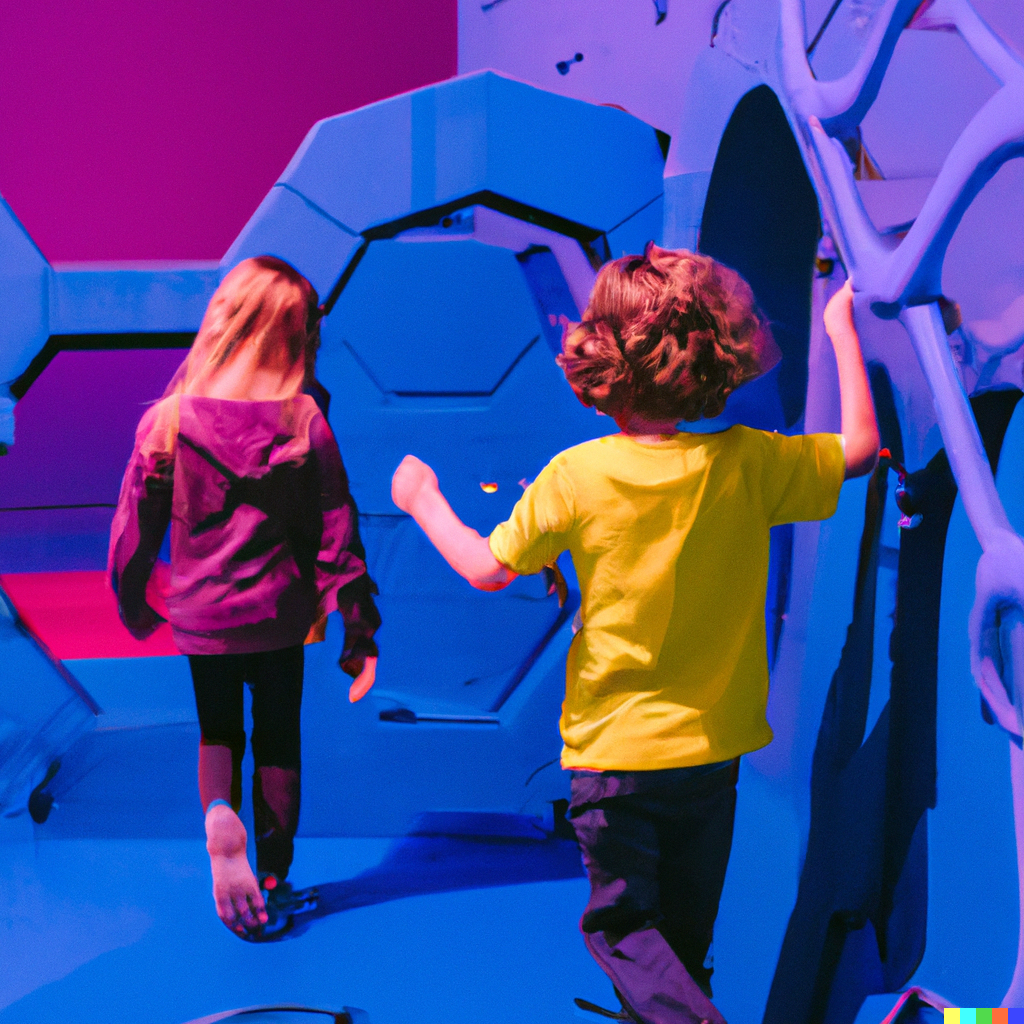
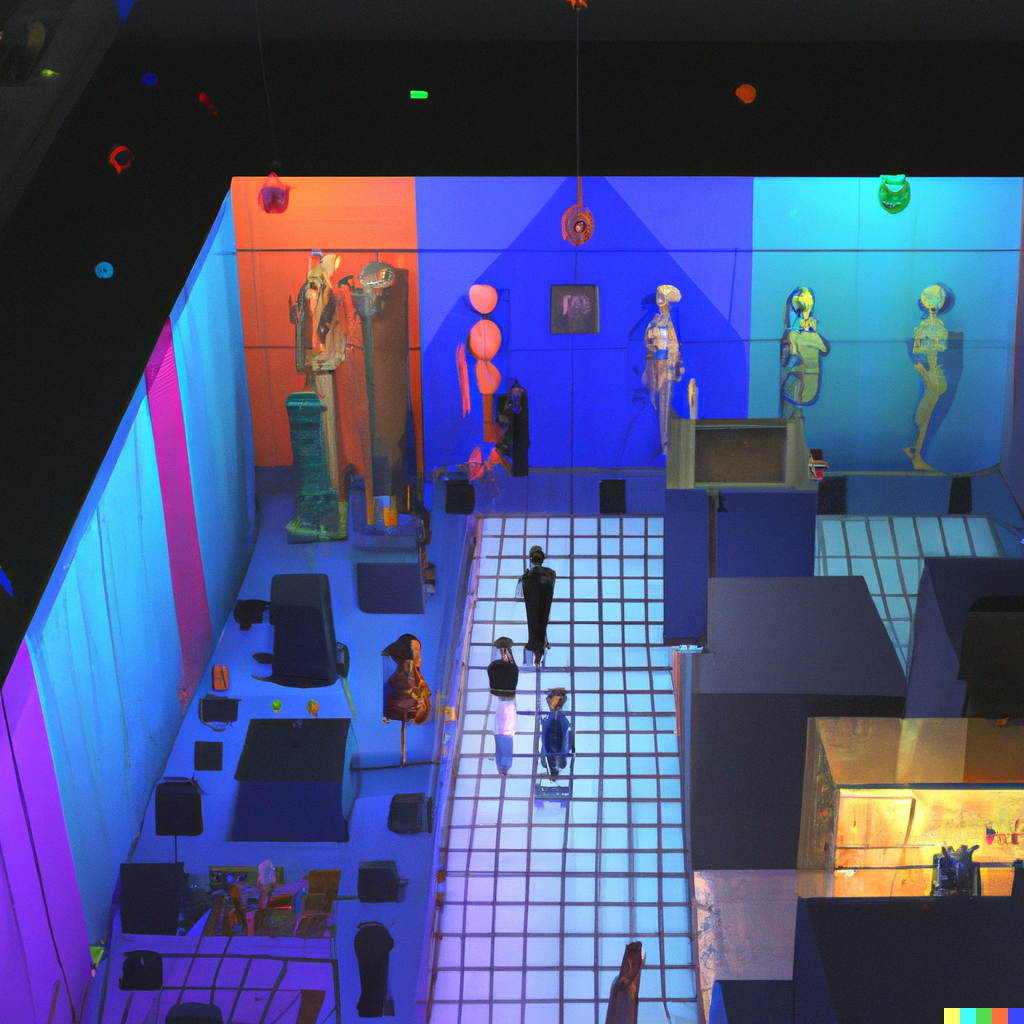
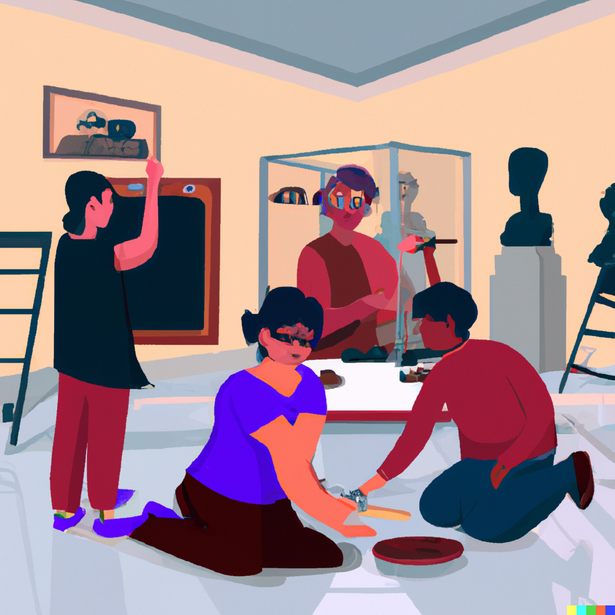
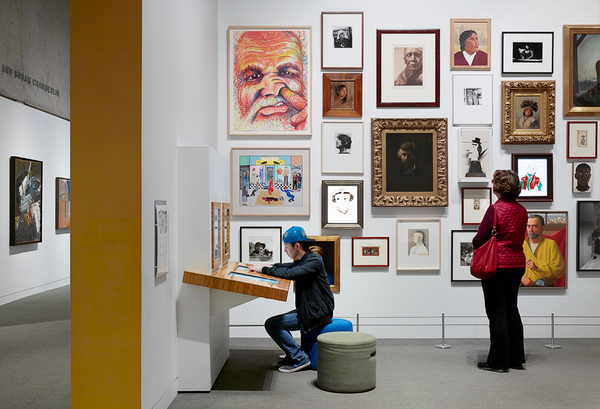
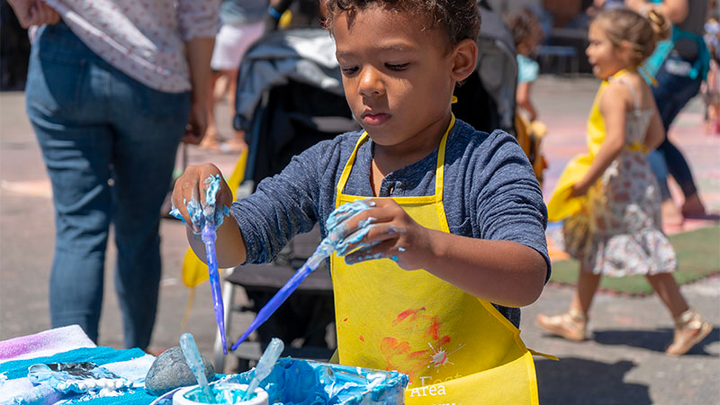
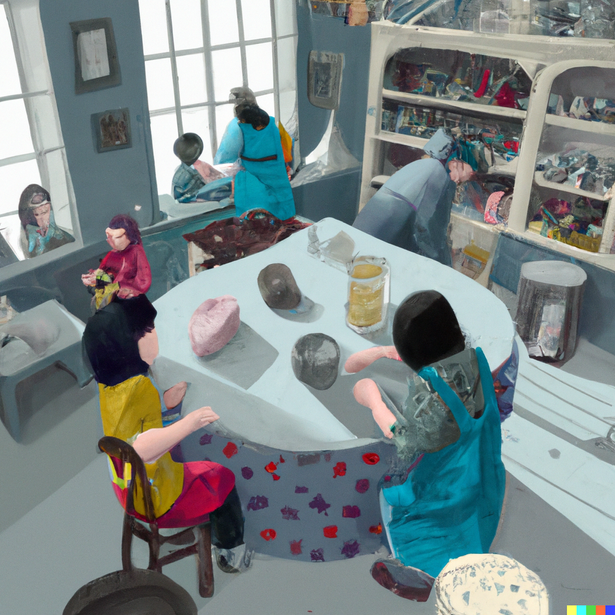
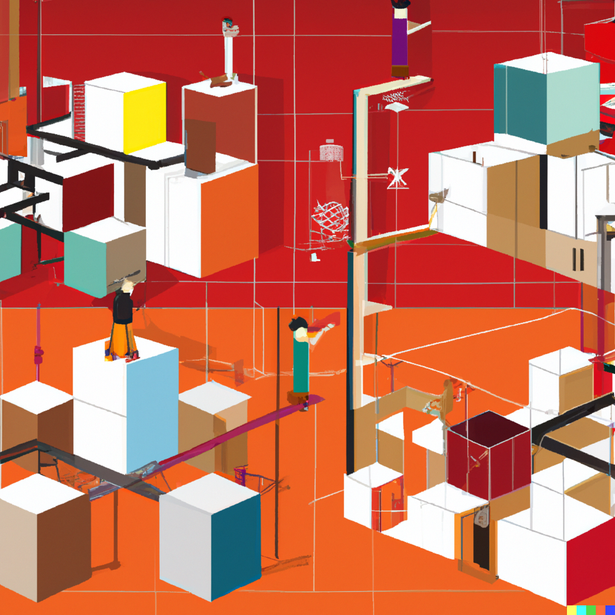
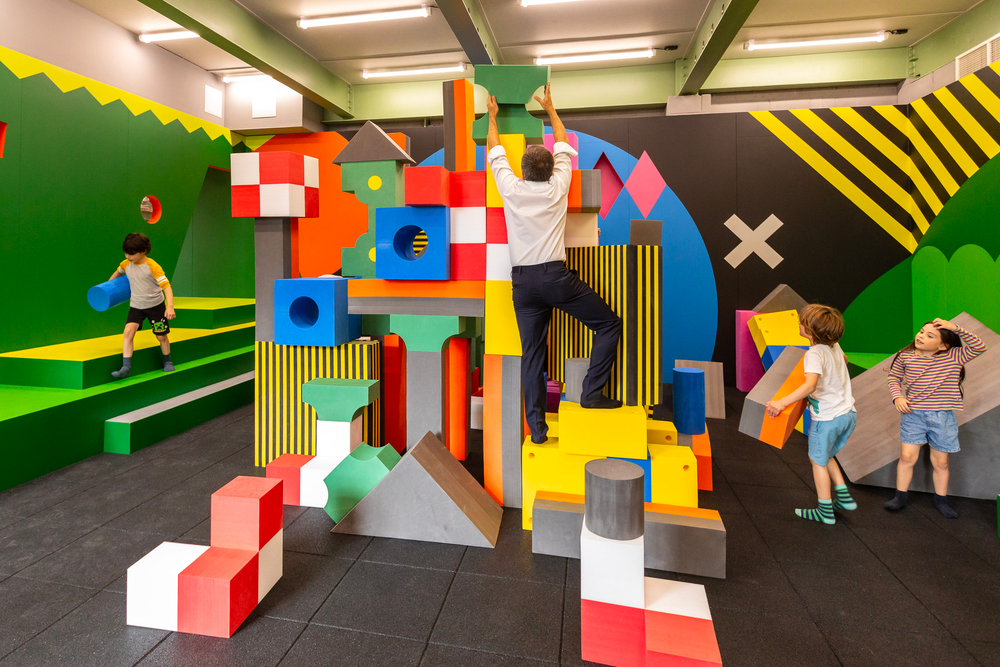
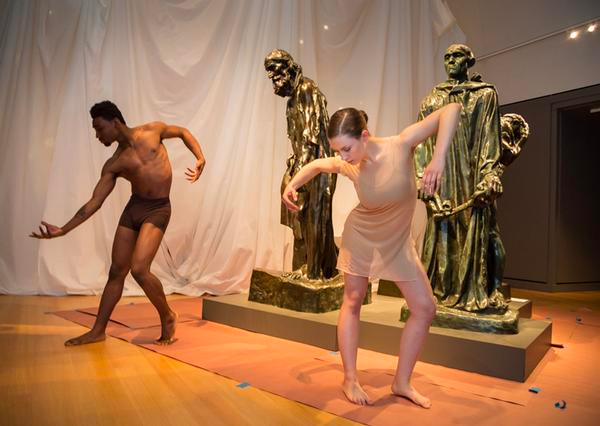
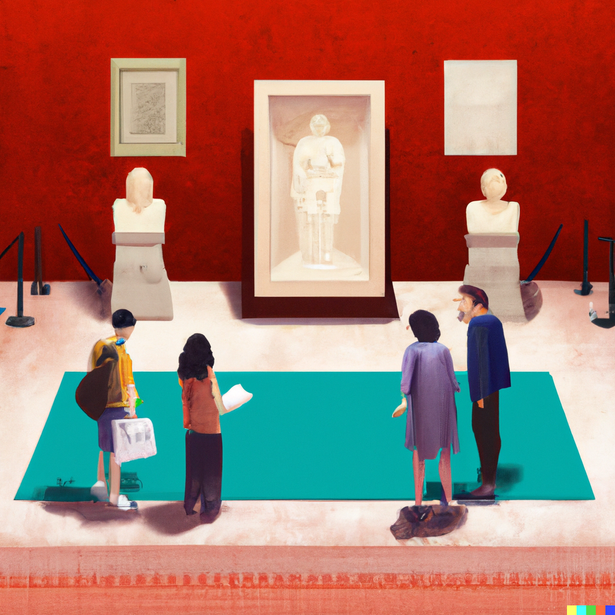
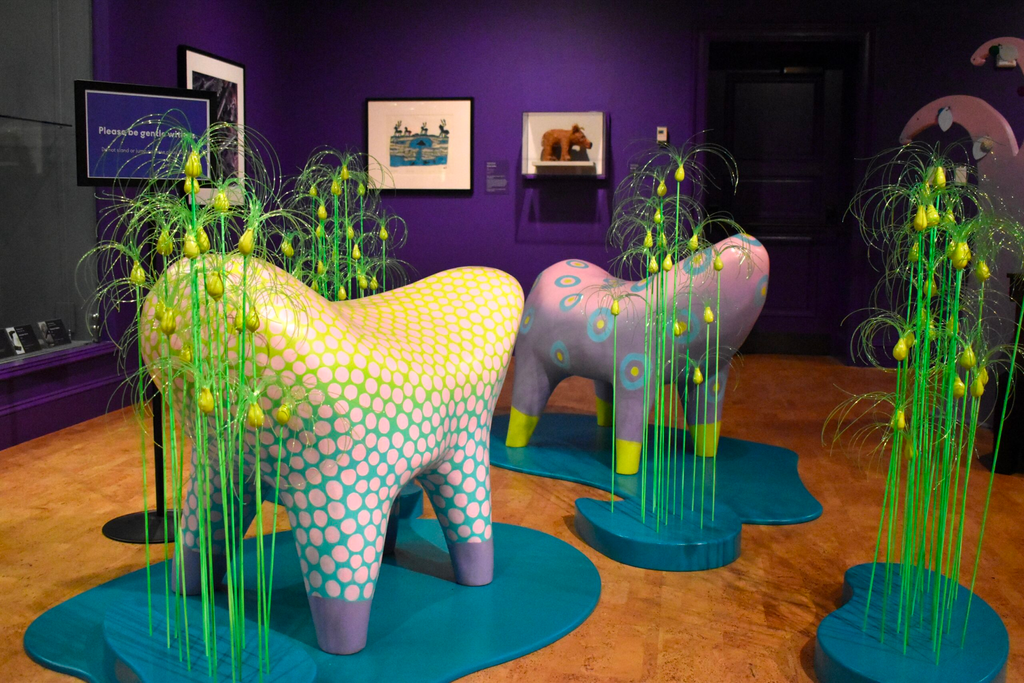
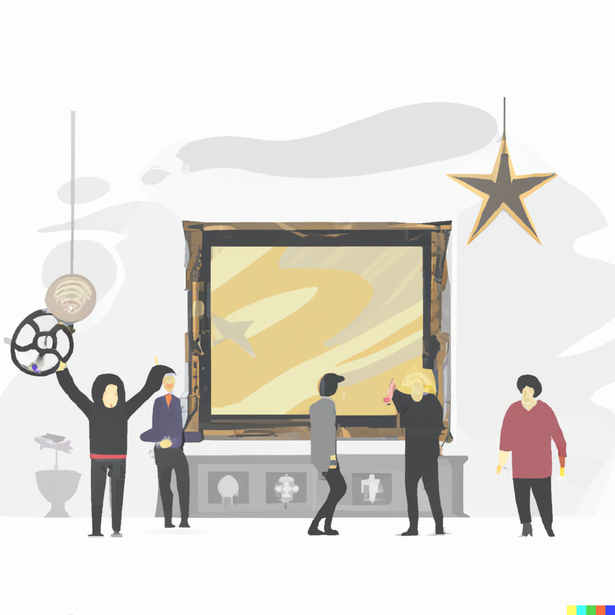
I believe in the power of dreaming big - even if you think the idea’s impossible, it’s better to get the thought out there. I took the interviewee’s responses, dropped them in DALL-E to create AI-generated images of interactive art museums of the future.
Even better, I’ve placed them alongside museums implementing some of these ‘dream’ elements right now.
The Future of Interactive Art Museums


About Me
Saba Amirali
M.Ed Candidate at the Harvard Graduate School Of education, Learning Design and Technology
Email: sabaamirali@gse.harvard.edu